Skip to content

What are the types of yachts and how do they differ from each other?
What types of yachts are there and how do they differ? A guide for everyone.
25/06/2026
Author: Travelboat Team
The sound of waves, the wind in your hair, and absolute freedom – sailing is attracting a growing number of Poles. As many as 70% of our compatriots have had some experience sailing, and the number of sailors is estimated at 4.3 million. These figures are impressive! Every year, the Masurian lakes and the warm waters of the Adriatic and Mediterranean Seas are besieged by water enthusiasts. But before you pack your sailor's bag and head to the marina, you face a crucial question: which vessel is perfect for you?
The wide selection available on the market often leaves vacation planners unsure of the differences between different types of yachts and which boats are best for specific waters. Choosing the right boat determines not only comfort but, above all, the safety of the entire crew. In this guide, we'll break down floating structures to ensure your next vacation is a hit.
We agree that the sheer number of terms like keel, centerboard, catamaran, and flybridge can be overwhelming. However, we promise that after reading this article, you'll be able to clearly distinguish the basic types of yachts and precisely define your requirements. Travelboat's team of experts has prepared a list that will help you move from theory to practice and plan your dream cruise.
How are yachts classified? The most popular classification methods.
To navigate the world of nautics effectively, it's worth knowing the basics. The classification of sailing and motor yachts is based on several main criteria. The most important are the type of propulsion, hull design, cruising area, and the vessel's intended use.
Based on their intended use, yachts can be divided into tourist (recreational), sports, and training. In terms of waterway, we can distinguish between inland yachts (ideal for the Polish Masuria region or Solina) and seagoing and ocean-going yachts, capable of withstanding the harshest storm conditions.
Most potential renters are primarily interested in yachts used for tourism and recreation. They combine the characteristics of a safe means of transportation with those of a floating, luxury hotel. However, the key and most intuitive division remains that related to what propels the boat.
Sailing yacht and motor yacht – the most important differences
This fundamental division divides water enthusiasts into two camps. A classic sailing yacht uses wind power as its main propulsion, although every modern vessel is also equipped with an inboard engine, which helps during port maneuvers or when sailing at a leisurely pace. Sailing requires concentration, working with the lines, and constantly monitoring the weather. However, the reward is incredible silence and an ecological, natural connection with the elements.
Motor yachts, on the other hand, rely solely on mechanical propulsion. Here, you don't care about wind direction—you simply fire up the engine and sail straight to your destination. Motor yachts typically offer significantly greater speed, allowing you to travel rapidly between islands and visit more places in less time.
Choosing between sail and motor is a decision that sets the tone for your entire vacation. If you value the thrill of the journey, learning to trim sails, and a traditional atmosphere, choose traditional sailing yachts . However, if you prioritize time, maximum living space, and no need to struggle with ropes, motorboats are a much better choice.
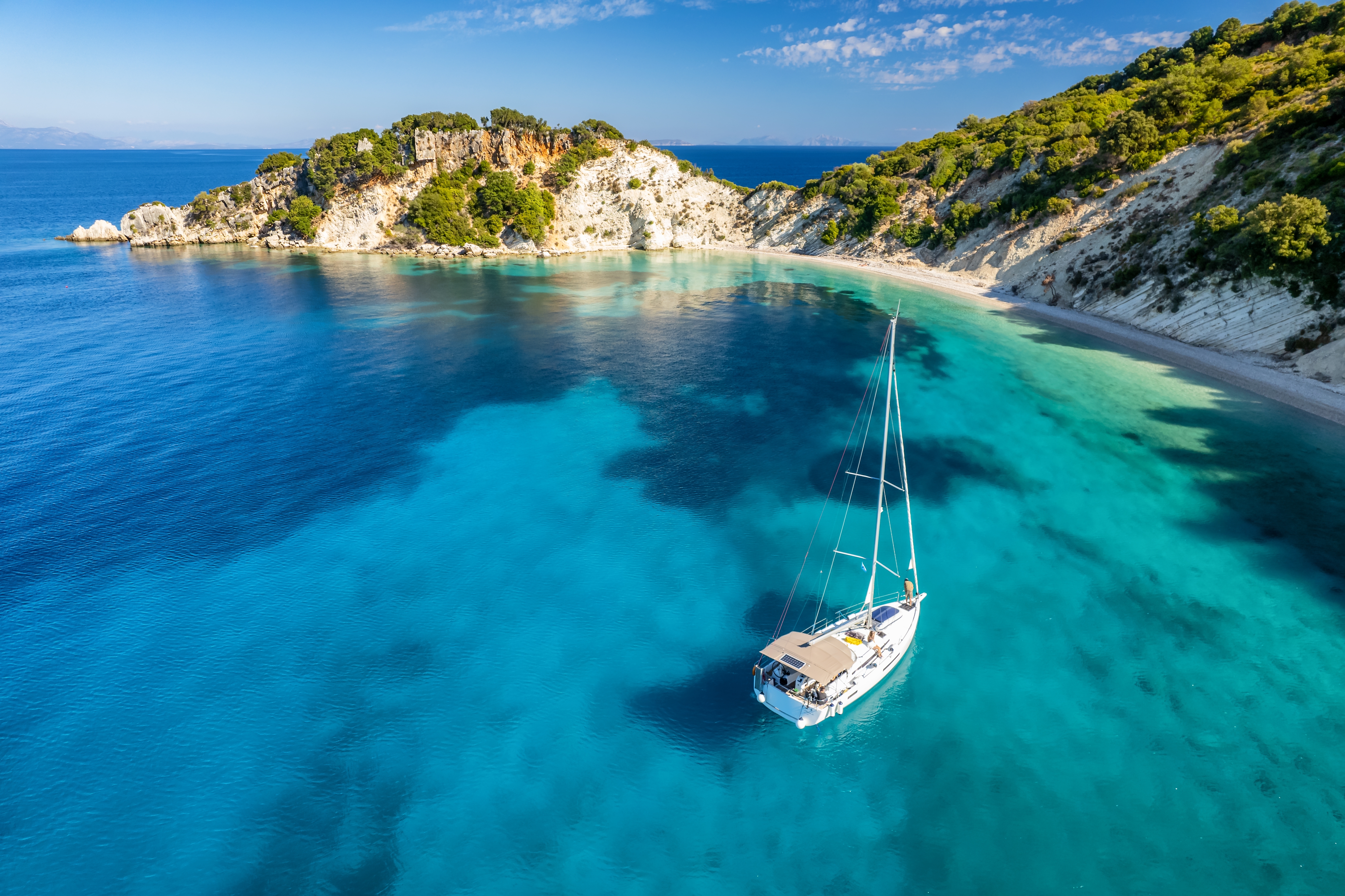
Anchored sailing yacht near Gidaki Beach in Greece. Source: Shutterstock license
Types of sailing yachts and their uses
If your heart skips a beat at the sight of sails set, you should know that sailing yacht types can differ dramatically in their behavior on the water. The traditional division includes monohulls (monohulls) and multihulls (catamarans and trimarans).
A monohull sailing yacht is the quintessence of elegance. It heels beautifully, cuts waves perfectly, and gives the helmsman an incredible feel at the helm. It's the perfect choice for those seeking true sailing thrills. Catamarans (double-hulled yachts), on the other hand, are synonymous with comfort – they don't heel, offer a large saloon at deck level, and are incredibly stable, a feature appreciated by families with children and those prone to seasickness.
It's also worth noting that in everyday language, the terms "sailing yachts" and "sailboats" are sometimes used interchangeably. However, in professional terminology, "sailboat" refers more to smaller, often cabinless sports or recreational boats. Advanced, safe, and diverse types of sailing yachts, guaranteeing autonomy even during multi-week voyages, are taking to the open seas.
Check out our offer of sailing yachts
Classification of sailing yachts by design
Delving into technical details, a key design element affecting a vessel's safety and stability is its underwater section. This determines how the boat reacts to wind and waves. Based on this element, we distinguish three main solutions:
- Centerboard yachts: They have a movable, retractable centerboard. They are lightweight and ideal for shallow inland waters, allowing direct access to a wild shore.
- Ballast (keel) yachts: They have a heavy, fixed keel at the bottom of the hull. This provides maximum stability in open seas, preventing the boat from capsizing.
- Centerboard and ballast yachts: a compromise combining the features of both designs, often found on larger inland and coastal waters.
A type of ballast yacht – what distinguishes it from other units?
When it comes to safety on the open sea, the ballast yacht is unmatched. Thanks to its low center of gravity, provided by its massive keel, this vessel possesses what's known as "weight stability." In practice, this means that even when subjected to a strong heel caused by a squall, the boat has a natural tendency to automatically return to its upright position.
However, the fixed keel gives this type of ballast yacht a much deeper draft. You won't be able to sail it into the Masurian shallows or park it "wildly" with the stern facing the beach. This design is designed for deep, open waters, where hull stability becomes an absolute priority when sailing in difficult weather conditions.
Modern sailing yachts – how do they differ from older designs?
The nautical industry is evolving at a dizzying pace. Today's modern sailing yachts are engineering masterpieces that differ dramatically from vessels built just twenty years ago. The changes are visible at first glance – both in the hull lines and the interior comfort.
Designers shifted the maximum beam of the hull far aft, which not only increased stability and speed but also allowed for the creation of large, comfortable aft cabins. Furthermore, modern sailing yachts feature wide, open cockpits with dual steering wheels and opening bathing platforms for easy entry into the water.
Crucially for smaller crews, modern yachts are designed so that all lines used to operate the sails are led directly to the cockpit, close to the helmsman's station. This makes steering even a large, 50-foot vessel incredibly easy and doesn't require a large, muscular crew.
Types of motor yachts – the most popular units
Whether you prefer dynamic driving or sedate, luxurious cruising to sailing, the motorboat market offers a wide variety of motor yachts. The divisions are based primarily on hull design (displacement vs. planing) and intended use.
The most popular include hardtop yachts (with an enclosed, glass-enclosed saloon), flybridge yachts (with an additional command station and sundeck on the roof), and open motor yachts, designed for fast fun in warm climates. A separate, highly valued category is motor catamarans, which offer unprecedented living space and stability while consuming relatively little fuel.
For those seeking a slow, relaxing vacation without the required licenses, houseboats are the ideal solution . These are free-wheeling, incredibly comfortable "houses on the water," perfect for exploring rivers, canals, and lakes.
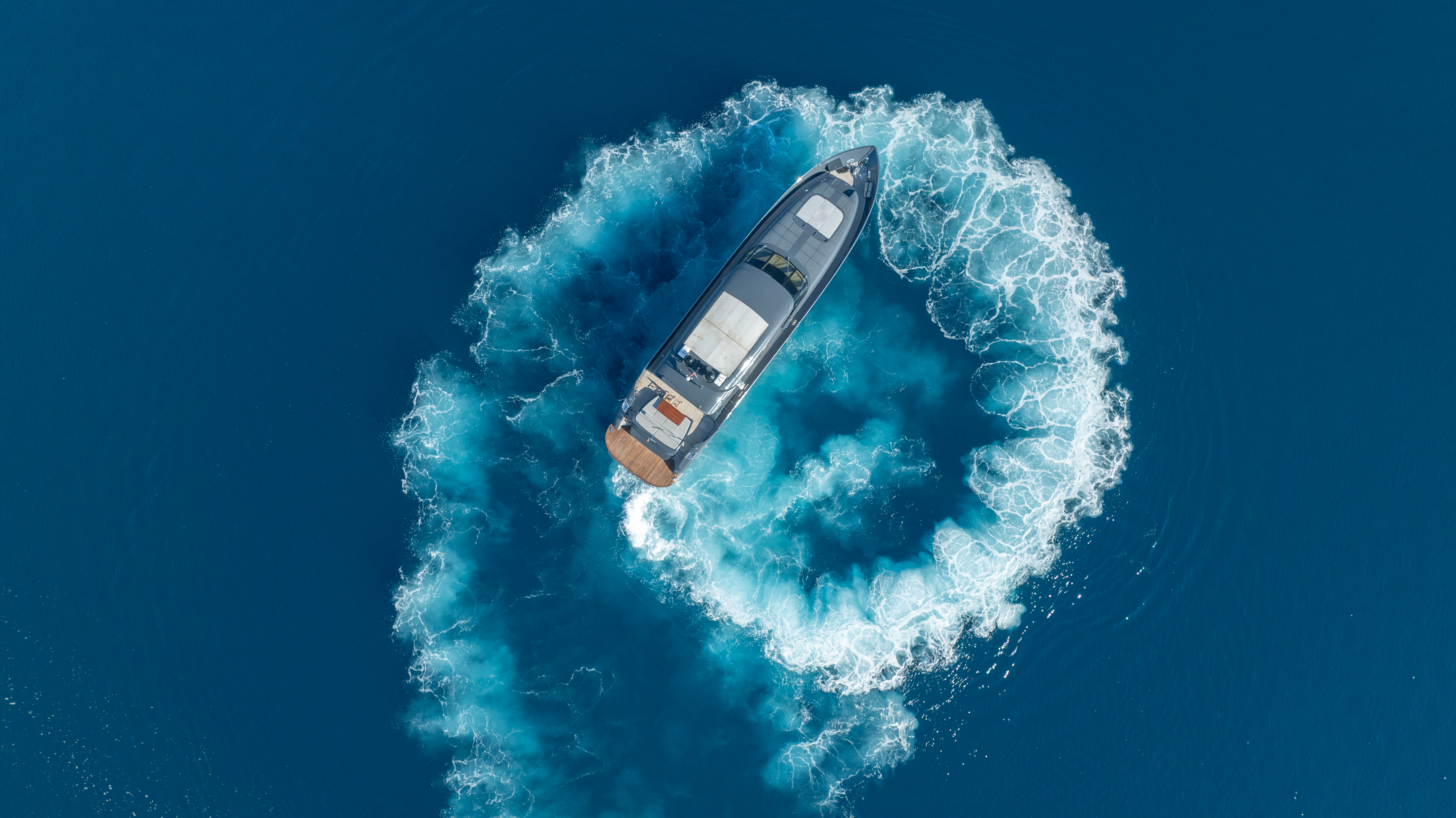
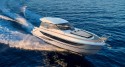
Aerial view of a floating motor yacht. Source: iStock license
Check out our offer of motor yachts
Yacht charter – what type of vessel should you choose for your first cruise?
Planning your debut on the water and wondering which type of yacht will be the perfect choice? It all depends on your budget, crew composition, and whether you have a license or plan to hire a professional skipper. If you value total relaxation, stability, and space, a professional catamaran charter is the perfect choice , forgiving the lack of "sea dogs" on the crew and guaranteeing luxurious conditions.
For classic yacht enthusiasts who want to feel the wind and learn the basics of the craft, we recommend a proven sailing yacht charter . Those looking to explore as many charming bays as possible in a short time should opt for a motor yacht charter .
Remember that a safe and successful yacht charter requires, above all, a reliable booking platform with a wide selection of boats. On Travelboat, you'll find thousands of verified offers worldwide. If you don't have a license, you can easily select the option to hire a local skipper in the filters. They'll take responsibility for the maneuvers, leaving you to enjoy your vacation.
Here's a quick overview of the options you can book on our platform, tailored to your needs:
|
Vessel type |
The main advantage |
For whom? |
Quick link |
|
Catamaran |
No tilt, huge space |
Families with children, large groups of friends |
|
|
Sailing yacht |
Authentic sailing atmosphere, economy |
Enthusiasts, people looking for adventure |
|
|
Sailboat / Sailboat |
Lightness, easy to maneuver |
For short inland trips |
|
|
Motor yacht |
Speed, independence from the wind |
People who value time and dynamics |
|
|
Motorboat / Motorboat |
Perfect for day trips |
Fast transfers, water sports |
|
|
Gulet |
Traditional design, full crew and service |
For those looking for retro luxury |
|
|
Jet ski |
Adrenaline and pure fun on the water |
For fans of strong sensations |
Whether you're interested in a luxury yacht or a quick motorboat charter for a short getaway, matching the boat to your actual skills and expectations is the key to a successful vacation.
How to choose a yacht model that suits your needs?
In summary, choosing the perfect vessel shouldn't be left to chance. To choose the right yacht model , answer three questions. First, what is your cruise budget (remember fuel costs, which can be significant for large motorboats). Second, what waters you plan to sail. Third, what conditions are your crew expecting?
If your loved ones expect privacy, look for yachts with a sufficient number of enclosed cabins and bathrooms (so-called Kingstons). Also, consider additional features such as air conditioning, a power generator, or a watermaker – these features dramatically improve comfort during anchorages in unspoiled bays. The right yacht type will make your cruise a once-in-a-lifetime adventure, one you'll want to return to year after year.
FAQ: everything you need to know about winds in sailing
What types of yachts are most often chosen for charter?
Monohull sailing yachts and catamarans are the most popular types of maritime tourism . The former are chosen by those seeking a classic experience, while catamarans dominate among families seeking the comfort of a hotel on the water. Smaller centerboard yachts and recreational houseboats dominate inland cruises .
Do sailing yachts and sailboats mean the same thing?
In everyday language, yes, but sailors distinguish between the two terms. A sailing yacht is typically a larger, cabin vessel designed for longer sea or inland voyages with social amenities. The term "sailing yachts" more often refers to smaller, open-deck sports or recreational boats used for short trips.
Which yacht model is best for beginners?
For those just starting their sailing adventure, a catamaran is ideal due to its stability and ease of movement on board. If you're opting for a traditional monohull, choose a proven, stable 38-42 -foot model (e.g., from the Bavaria or Beneteau fleet). It's always a good idea to hire a skipper for your first voyage.
Do types of motor yachts differ in terms of cruising comfort?
Absolutely. Motor yachts with displacement hulls (e.g., houseboats) travel slower, but they ride through waves very smoothly and stably. Fast planing boats can hit waves hard at high speeds, which in bad weather can reduce the comfort of less resilient crew members.
Which yachts are best for lakes?
Inland waters like Masuria are ideal for yachts with a centerboard or centerboard-and-ballast design. Their shallow draft and retractable centerboard allow for safe sailing in shallow waters and mooring directly on a sandy shore.
Are modern sailing yachts suitable for beginners?
Yes, because modern sailing yachts are designed with maximum ease of operation in mind. Mainsail and genoa furling systems, electric winches, and bow thrusters make maneuvering and working with the sails much easier than on older designs.
How to choose the type of yacht according to the number of people on board?
The number of permanent berths (sleeping places) in cabins and the number of bathrooms are key. It's generally assumed that optimal comfort is achieved with a maximum of two people per cabin. Catamarans offer significantly more space, ensuring that even at full capacity, the crew doesn't get in each other's way.
Does the size of a yacht affect its ease of operation?
A larger yacht is heavier, slower to respond to rudder movements, and has greater inertia, requiring greater imagination when maneuvering in port. However, thanks to modern assistance systems such as bow and stern thrusters, mooring even large vessels is now remarkably precise and simple.
Choose proven units and set sail with Travelboat!
Do you already know the differences between the different designs and which one best suits your vacation plans? Don't wait for the best deals to be booked! Visit Travelboat , use our intuitive search engine, and find the perfect yacht for you. Secure your dates, choose a skippered or unskippered option, and start counting down the days to an unforgettable adventure on the water.