Skip to content

What to Pack for a Cruise? Packing for Sail
Whether you're heading to the warm Greek waters or the fickle Baltic Sea, the right equipment is a guarantee of a successful vacation. This guide will provide you with a complete list of everything you need to enjoy a stress-free cruise. With Travelboat, prepare like a pro!
Where to start packing for a cruise?
The first and most important rule of sailing packing is: take half the clothes and twice the cash you plan. On a yacht, you spend most of your time in a swimsuit, shorts, and a T-shirt. Start by sorting through your wardrobe by selecting items based on their functionality. Clothes should be comfortable, quick-drying, and resistant to harsh conditions.
Before throwing anything into your bag, check the weather forecast and the specifics of the region you're traveling to. You'll pack differently for the hot Mediterranean Sea than for cooler waters. Also, remember that every item on a yacht needs its own place to prevent it from flying around the mess hall during heeling.


A happy woman packing for a cruise. Source: IStockphoto
Bag or suitcase – the eternal sailor's dilemma
If you're wondering what to pack, there's only one answer: a soft duffel bag, a duffel bag, or a backpack without a frame. Never, under any circumstances, bring a rigid plastic suitcase on wheels (a so-called "shell") on a boat!
Why is this so important? A rigid suitcase can't be rolled up or stuffed into a tight yacht's berth or locker. It will block space in the cabin or saloon throughout the entire cruise, making life difficult for you and the crew. After unpacking, you can fold the soft duffel bag flat and stow it under the mattress, so you'll forget it's there until the end of the charter.
Sailor's Checklist – A Complete List of Things to Take on Your Cruise
To make sure you don't forget anything, we've prepared a quick cheat sheet. Here are the 5 most important things you need to bring on board:
- Shoes with white, soft soles (regular sneakers or tennis shoes) – they won't stain the deck and protect your toes from hitting the yacht's equipment.
- A raincoat or good windbreaker – protection from wave spray and wind is essential, even in warm countries.
- A baseball cap and polarized sunglasses – water acts like a mirror, intensifying the sun's rays. Choose sunglasses with a lanyard to prevent them from sinking at the first dip.
- UV sunscreen (SPF 50) – the sun tans twice as fast on the water, and sunburns can ruin the best of trips.
- A quick-drying microfiber towel – it takes up a fraction of the space of a classic cotton towel.
Clothing for a Sea Cruise – What's Perfect for a Cruise, and What's Not?
When assembling your wardrobe, opt for layers, the iconic "layering" method. The perceived temperature on the water is always a few degrees lower than on land. What clothing should you pack for a sea cruise? Essentials include thermal underwear, which wicks moisture away effectively, and a fleece sweatshirt, which keeps you warm even when slightly damp.
Avoid thick, heavy cotton sweatshirts – once they get wet, they take days to dry and become uncomfortably cold. High heels, elegant leather shoes, or delicate jewelry, which can get caught on ropes (ropes and winches can be ruthless for expensive rings), are also completely out of the question. Pack loose shorts, UV-blocking T-shirts, and long, lightweight trousers that protect against the sun and wind.
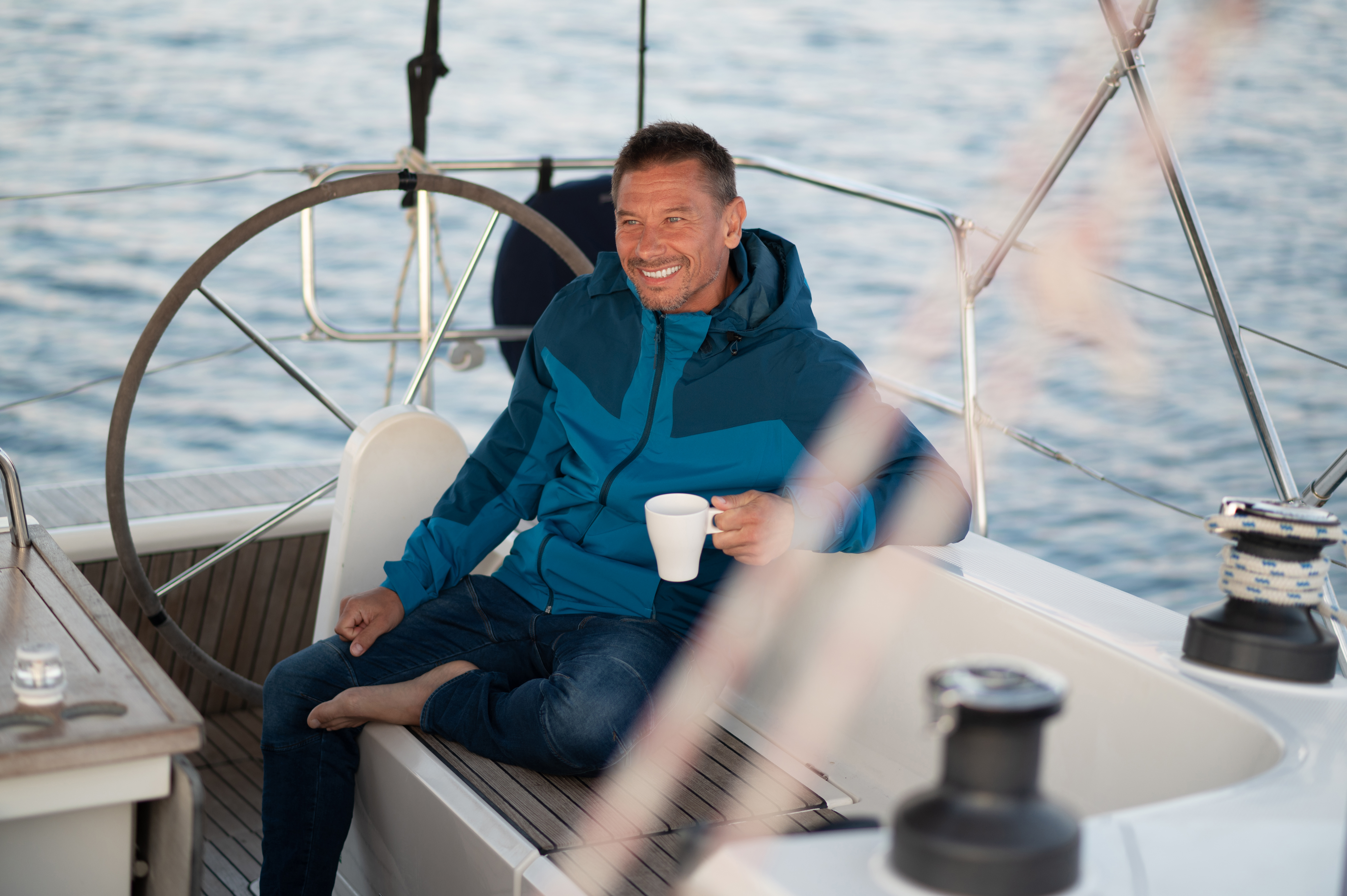
A man in a blue raincoat on a yacht. Source: iStockphoto
Sailing Equipment and Accessories
If you're chartering a yacht as a crew member, most of the specialized safety equipment (life jackets, harnesses) will already be included. However, it's worth bringing a few of your own essentials, which will significantly improve your daily comfort.
Sailing gloves (or cycling or fitness gloves) are essential – they protect your hands from painful abrasions when working on ropes. A pocket knife or multitool with a shackle untwisting tool (also known as a shackle remover) will also prove useful. If you plan night watches or evening dinghies (dinghies) from shore to the yacht, be sure to pack a headlamp with a red light option that won't blind other crew members.
First Aid Kit for a Cruise – Basic Medicines and First Aid Supplies
Although every charter vessel has a first aid kit, it should contain primarily bandages. You'll need to prepare your own personal first aid kit. What should you bring on a cruise for medical purposes?
First and foremost, pack effective seasickness medications (e.g., Aviomarin, acupressure bandages, or plasters). Even if you don't have any problems on land, swells on the open sea can be a surprise. Add painkillers, fever reducers, stomach medications, and a trusty mosquito and tick spray. Don't forget sunburn ointment (e.g., with panthenol) and a supply of waterproof plasters for minor cuts, which are common on a yacht.
Electronics and Navigation – What to Bring on a Yacht in Technical Equipment
Modern yachting relies heavily on technology, so properly preparing your electronics will make life easier for the entire crew. A smartphone with navigation apps (e.g., Navionics) is now standard equipment for every skipper and crew member.
Since power on a yacht can be scarce while underway (230V charging usually only works when connected to port power at the marina), your most important gadget should be a reliable power bank. Choose a model with a minimum capacity of 20,000 mAh, preferably with a shock-resistant and waterproof casing. Also, bring a USB car charger (for a 12V cigarette lighter socket), cables with various connectors, and a power strip (a thief's tool), as the number of outlets in the mess can be limited, and there are always plenty of people willing to charge their phones.
Documents and Formalities – What Must Be in a Sailor's Bag
Without the proper documentation, your cruise could end before it even begins. The skipper must absolutely bring original sailing licenses and an SRC/LRC radio operator's license. No reputable company will release a yacht from its base without these documents.
All crew members must have valid IDs or passports (depending on whether you are sailing in EU or non-EU waters). A European Health Insurance Card (EHIC) and additional, dedicated travel insurance covering recreational sea sailing are crucial. Also, pack documents confirming your charter reservation with Travelboat and proof of deposit payment. It's a good idea to store all documents in a tight, waterproof zip-lock bag.
What to Pack for a Baltic Cruise – The Specifics of Colder Waters
The Baltic Sea can be capricious, beautiful, and incredibly demanding. When considering what to pack for a Baltic cruise, you should prioritize protection from the cold and humidity. Summer nights here can drop to several degrees Celsius.
- Warm Clothing: A thick winter hat, a fleece neck warmer, and warm socks (preferably merino wool) are a must.
- Full Waterproof Jacket: A sturdy jacket and dungarees with a highly waterproof membrane (e.g., Gore-Tex) are essential.
- Thermos: A good metal thermos for hot tea or coffee will keep crew morale up during a long, cold watch.
What to Bring on a Yacht to Greece – Packing for Warm Mediterranean Cruises
Greece, Croatia, and the Caribbean are a completely different story. Here, packing is much lighter, and sun protection and high temperatures become the priority. What to Bring on a Yacht to Greece?
- Beachwear: A few pairs of swimsuits or shorts are your basic clothing for 90% of the time.
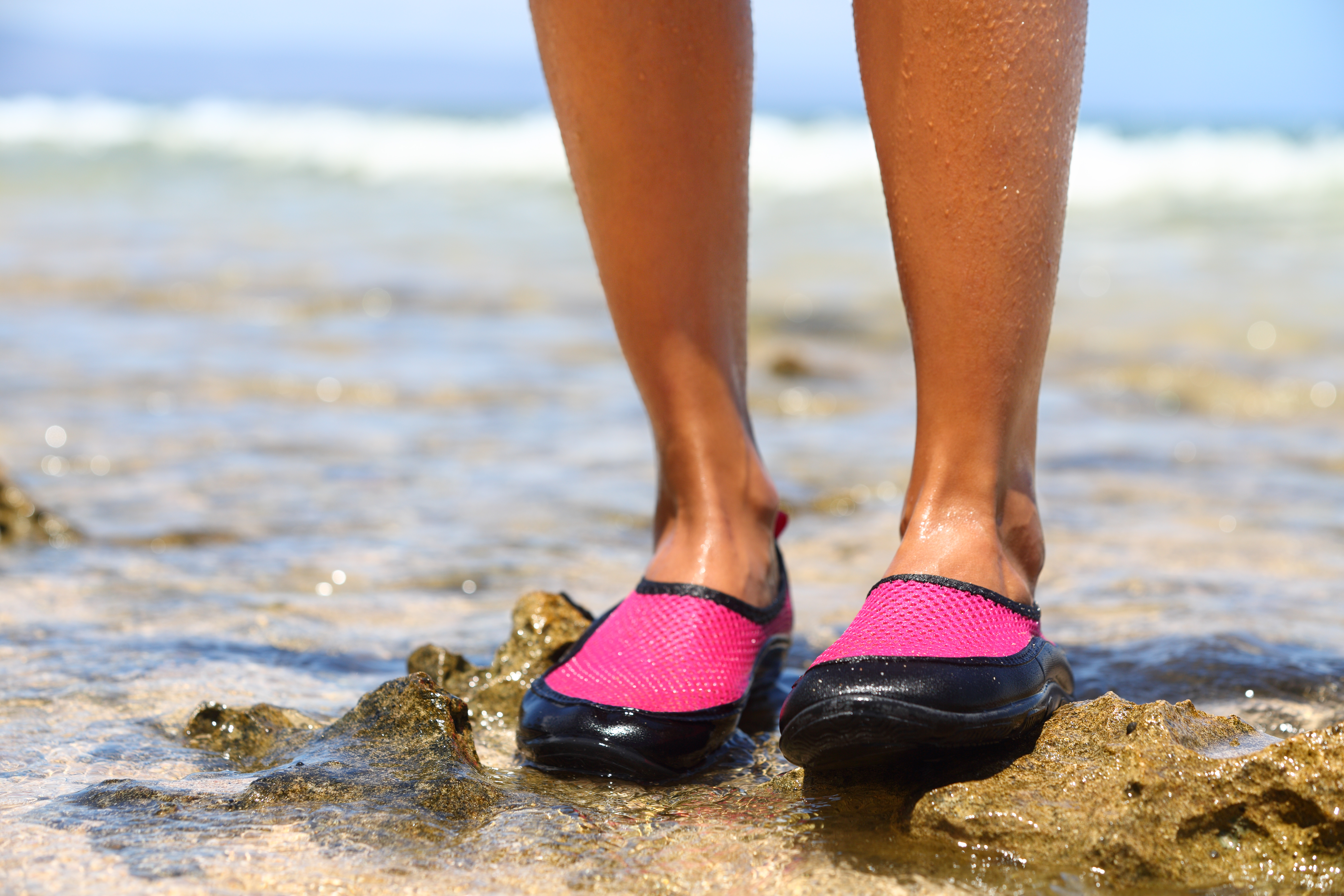
- Water Shoes: Many Greek and Croatian beaches are rocky, and you can encounter sea urchins in the water. Sturdy shoes with rubber soles will protect your feet.
- Snorkeling Equipment: The clear, warm water is inviting for observing underwater life. Your own mask and snorkel are an absolute must.
- Light Scarf/Pareo: Perfect for shielding your shoulders from the scorching sun during the midday hours.
Click the link to check out the selection of yachts and sailboats in Greece
Source: iStockphoto
List of prohibited items on a yacht – what's better not to take
There are a group of items that will do more harm than good on a yacht. What should you absolutely avoid when packing?
First and foremost, the aforementioned hard-shell suitcases on wheels. Secondly, leave delicate and expensive clothes at home that require ironing – no one uses an iron on a yacht, and clothes will quickly absorb the sea's moisture anyway. Avoid bringing too many heavy cosmetics in large bottles (shampoos, shower gels) – it's better to buy travel-sized (mini) versions or stock up on eco-friendly, biodegradable soap that doesn't harm the environment. Also, forget about bringing expensive, delicate household appliances (e.g., a 2000W household hairdryer) – the yacht's electrical system simply won't handle it.
Sail safely with us
Planning a holiday on the water in the upcoming 2026 season? Whether you're wondering what to pack for a boat trip in Masuria or gathering equipment for a deep-sea cruise, the Travelboat platform is your best travel partner.
We offer charter of proven, well-equipped sailing yachts, motor yachts, and catamarans worldwide. If you're just starting out and worried about navigating a vessel on your own, you can easily charter a boat with an experienced skipper who will ensure your safety and show you the most beautiful, hidden corners. Visit Travelboat, choose your dream destination, and book your cruise now! ⚓
FAQs
How much luggage can you take on a typical charter yacht?
Charter yachts don't have strict weight limits like airlines, but common sense and cabin capacity are the limits. Ideally, luggage for one person shouldn't exceed 15-20 kg and must fit in a single soft bag. Remember that living space on a boat is shared with others, and an overcrowded cabin drastically reduces sleep comfort.
How to protect electronic equipment from moisture and saltwater?
The best and cheapest way is to use a special waterproof phone case with a neck strap and universal waterproof dry bags with a capacity of 5-10 liters, in which you can store your camera, wallet, and documents while disembarking in the dinghy. Saltwater and electronics hate each other – even a slight splash from a wave can irreversibly damage an unprotected smartphone.
Is there a facility for washing and drying clothes on the yacht?
There are no washing machines or tumble dryers on the yacht itself. Wet clothes are dried outdoors by clipping them to the yacht's railings (it's worth bringing a few laundry clips). If you're planning a longer cruise, most large, modern marinas offer professional laundry services (they have special self-service laundries for sailors for a fee of a few euros).
How to store food on a yacht for a multi-day cruise?
Charter yachts are equipped with refrigerators (usually opening at the top to prevent cold air from escaping when the yacht heels). Perishables (meat, dairy) should be placed directly in the refrigerator, which is mainly cooled while the engine is running or after connecting to the power supply in port. Vegetables, fruit, and bulk goods should be stored in dry containers. It's best to choose products in plastic or cardboard packaging, avoiding heavy and dangerous glass.
Can I bring a pet on a yacht, and what formalities are required?
Yes, many companies on the Travelboat platform allow dogs or cats to travel, which often involves an additional cleaning fee (pet fee). The pet must have a current passport, a microchip, and a valid rabies vaccination. On board, the pet must wear a special pet life jacket (with a handle on its back to make it easier to retrieve from the water), and a safety net (railing net) on the sides of the yacht is highly recommended.